I'm Michael Job. For twenty years I've worked on the part of a company nobody writes down: how work actually moves from one person to the next. Lean Six Sigma across three Chevron oil leases. Fifty embedded hardware programs at Rexnord and Zurn Elkay. A granted patent on IoT water management. Now AI structure for founder-led companies, and panel capacity for contractors who ran out of it.
Power delivery, advanced packaging, panel capacity, permitting. I write about the physical limits underneath AI and industrial markets, and about who captures the value once a narrative moves on.


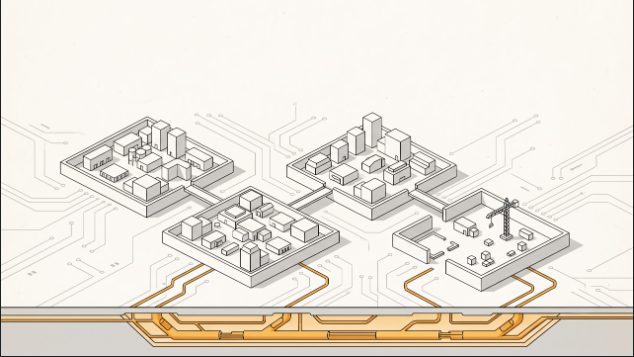
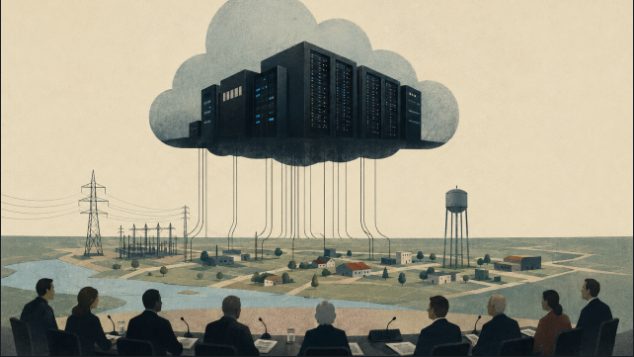
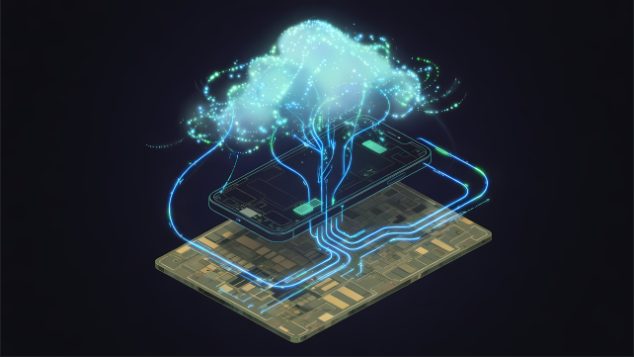
The Cloud Has a Zoning BoardWe have spent two decades pretending the cloud is weightless. The metaphor did its job too well: it made the digital world feel invisible, frictionless, and detached from the physical one.Physical limits9 min
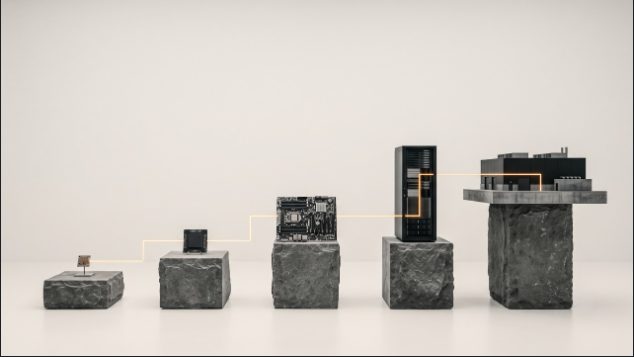
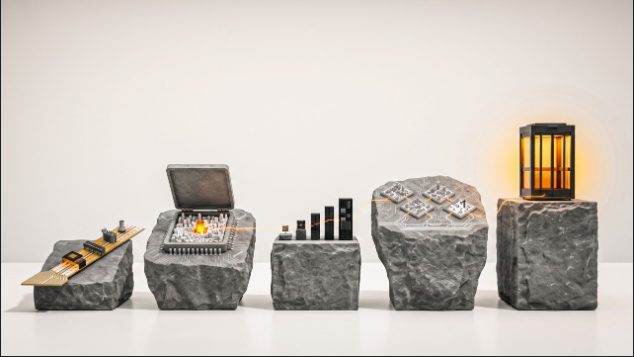
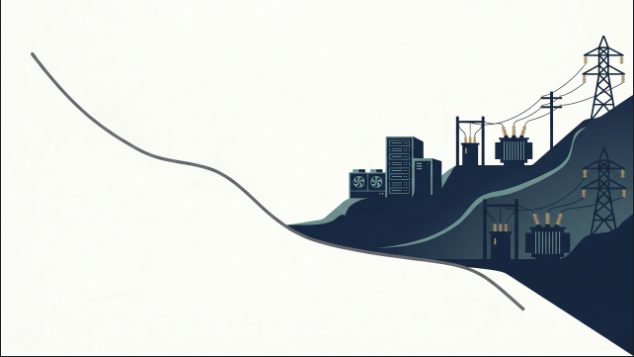
AI Isn’t One Bubble. It’s a Ladder.The risk is not that AI fails. The risk is that public markets misclassify which layer captures the value.Value capture9 min
The AI Efficiency Paradox: When Cheaper Tokens Trigger a Hardware Arms RaceIn the history of technology, efficiency is almost never a synonym for contraction. When a resource becomes dramatically cheaper to produce, the market does not neatly pocket the savings and walk away. It finds ways to consume that resource at a scale previously considered absurd.Physical limits9 min
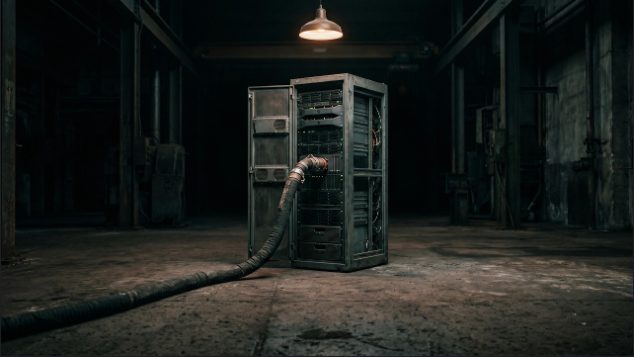
The Cloud Has an Air Hose: AI, Hormuz, and the End of Weightless SoftwareIf you were a commercial deep-sea diver in the 1920s, your working life depended on the "Standard Diving Dress." A heavy canvas suit and a spun-copper helmet. When you descended to the seafloor, you felt remarkably light. But that feeling of weightlessness was a profound cognitive illusion.Physical limits5 min
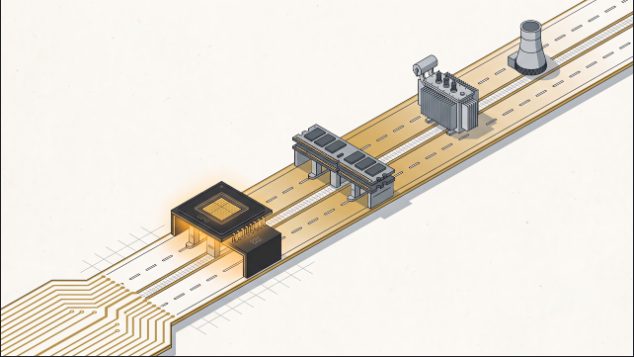
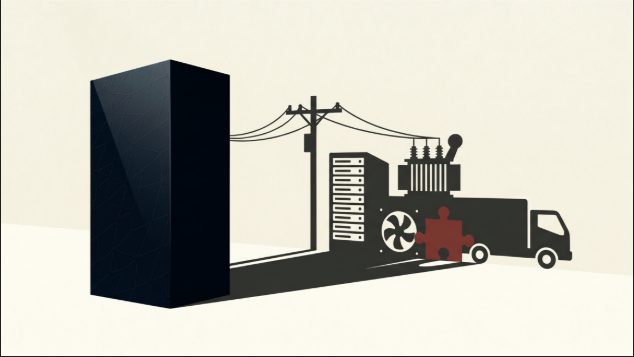
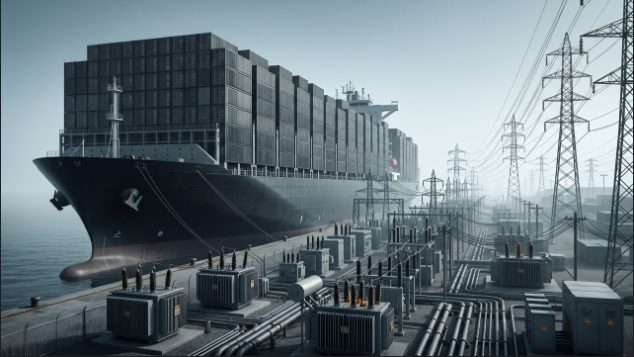
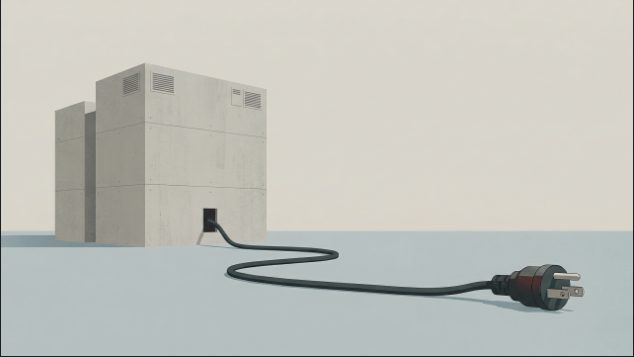
The Real AI Bottleneck Is Not Compute. It’s Electrical DeliveryWhen supply chains seize up, people notice the container ships first. They are dramatic, visible, and easy to photograph. But the ships are rarely the true bottleneck. The real constraint usually sits onshore, in berths, cranes, truck appointments, rail links, warehouse space, and all the smaller handoffs where physical systems quietly fail under pressure.Physical limits6 min
Lululemon Grew Wider Than Its Control SystemWhen a dominant company like Lululemon begins to wobble, the market instinctively points to the visible disturbances: a product miss, a CEO exit, a bad quarter, or a stronger rival.Value capture9 min
Construction Isn't Becoming Manufacturing. It's Becoming Something More Interesting.For the last several years, one of the most common refrains in the industry has been that construction is "becoming more like manufacturing." You hear it at conferences, in investor decks, in contractor strategy memos, and from....Industrial6 min
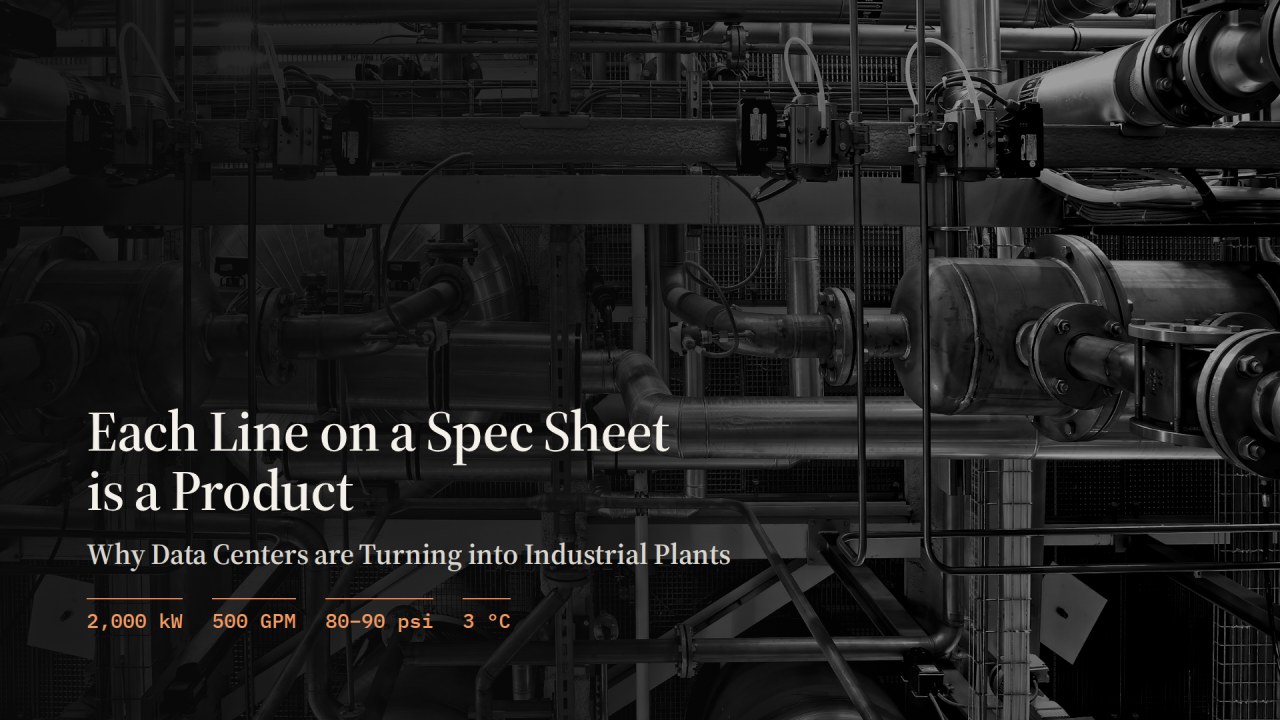
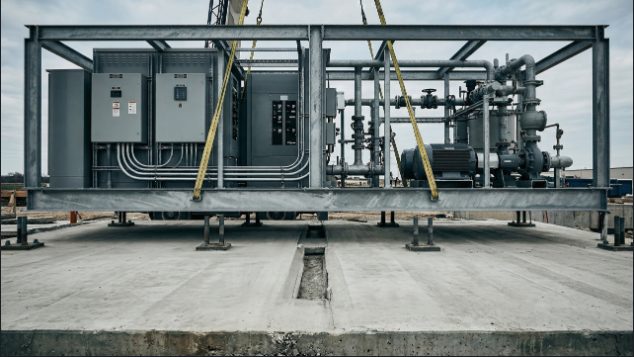
We Got Faster at Building Data Centers. We Didn't Get Faster at Turning Them On.The industry industrialized construction and left integration to chance. Off-site partners are the lever but almost nobody is pulling it correctly.Industrial8 min
AI Can Do the Work. That Doesn't Mean It Wins the Market.The market keeps making the same mistake: assuming the company with the smartest model automatically owns the market it can touch. Watch AI write production code, summarize a deposition, or close a support ticket without a human in the loop... the conclusion feels inevitable. --> The labs are going to own legal, healthcare, finance, enterprise software, all of it. The logic sounds airtight. It is also missing the hardest part of commerce.Value capture4 minThree current engagements. Each one comes down to the same problem: a workflow nobody documented, doing more load-bearing work than anyone realizes.
We unpack how your business actually runs. Not the org chart, the real workflows. We capture the knowledge sitting in your best people's heads, govern it in one source of truth, and build AI on top of it that runs on your company's truth instead of the internet's.
One rule underneath all of it: no black box, anywhere. A person still owns every seam involving money, irreversibility, or anything visible outside the company.
UL-508A control panels and MCCs for contractors, OEMs, and integrators. I come in when an internal panel shop or a preferred vendor hits capacity and the panel is sitting on the project's critical path. Early technical scoping, capacity matched to real timelines, Fortune 500 and US Navy work.
For engineering-led companies stuck between a promising prototype and predictable delivery. Hardware and IoT programs through EVT, DVT, and PVT. Program governance, operating cadence, and the supply chain alignment that production readiness actually requires.
Start a conversationIt started on oil leases. I ran the Lean Six Sigma program across Midway-Sunset, Cymric McKittrick, and Kern River, carrying ten to fifteen projects at a time and documenting savings alongside Chevron engineers, construction reps, and superintendents.
Then a decade in industrial products. At Rexnord I led telemetry-enabled IoT programs from edge hardware through cloud platforms and cut release cycles from twelve weeks to four. At Zurn Elkay I ran a portfolio of more than fifty embedded hardware-software programs, then moved into enterprise transformation work through a spin-off and a merger. Along the way I became a co-inventor on a patent for IoT water management, granted in May 2026.
The pattern held everywhere I went. The constraint was almost never the idea. It was the operating system nobody wrote down: the handoff with no owner, the decision that waits four days for a meeting, the knowledge that lives in one person's head and leaves when they do.
That is the work now, in factories and panel shops and founder-led companies. AI belongs in that machine, but only where the seams are governed and a person still owns anything involving money, irreversibility, or the outside world. If the AI went quiet tomorrow, your team should still be able to explain the work, judge it, and do it.
Third reason: you disagree with something I wrote. Those are the best emails I get.
A founder-led company where too much lives in your head. An engineering team stuck between prototype and production. Or a control panel you needed three weeks ago.
michael@michaelpjob.comNew pieces go out when they're finished, usually about once a week. No cadence promises and no funnel.
Follow the RSS feed